

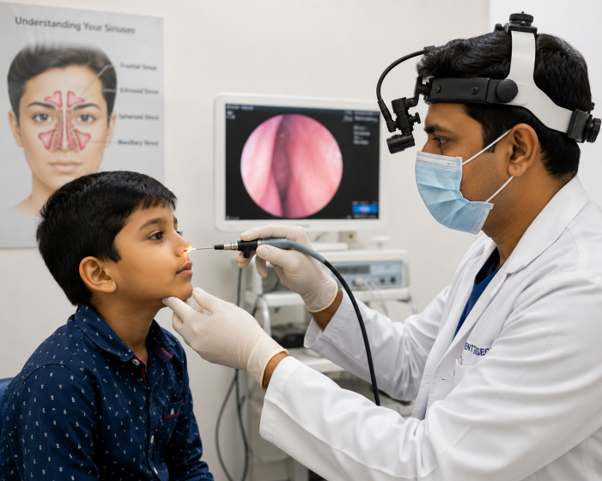
A blocked nose that doesn’t improve, recurring sinus infections, or constant facial pressure can make everyday life uncomfortable. Many people continue taking antibiotics, nasal sprays, or home remedies for months, hoping their symptoms will disappear. While medications are effective for many sinus conditions, they may not provide lasting relief if the underlying problem is structural or chronic.
This is where Endoscopic Sinus Surgery, also known as Functional Endoscopic Sinus Surgery (FESS), may be recommended. It is a minimally invasive procedure that helps restore normal sinus drainage, improve breathing, and reduce recurring infections.
The important question is: How do you know when surgery is the right option?
Let’s look at the common signs that indicate it may be time to consult an ENT specialist.
What Is Endoscopic Sinus Surgery?
Endoscopic Sinus Surgery is an advanced procedure used to treat chronic sinus conditions that do not respond to medical treatment. During the procedure, an ENT surgeon uses a thin endoscope equipped with a camera to access the nasal passages and sinuses without making external incisions.
The goal is to remove blockages, improve sinus drainage, and restore normal airflow while preserving as much healthy tissue as possible.
This procedure is commonly recommended for patients with:
- Chronic sinusitis
- Nasal polyps
- Blocked sinus openings
- Recurrent sinus infections
- Certain structural abnormalities affecting sinus drainage
1. You Have Sinus Symptoms That Last Longer Than 12 Weeks
One of the clearest signs of chronic sinusitis is symptoms that continue for more than three months despite medical treatment.
These symptoms may include:
- Persistent nasal congestion
- Thick nasal discharge
- Facial pressure
- Headaches
- Difficulty breathing through the nose
If your symptoms return shortly after completing medications or never fully improve, your ENT specialist may investigate whether blocked sinus passages are preventing proper drainage.
2. You Keep Getting Sinus Infections
Occasional sinus infections are common, especially after viral illnesses or seasonal allergies. However, if you experience multiple sinus infections every year that require repeated courses of antibiotics, there may be an underlying issue.
Frequent infections often indicate that the sinuses are not draining properly. Trapped mucus creates an environment where bacteria can continue to grow, leading to recurring infections.
Endoscopic Sinus Surgery aims to improve drainage and reduce the frequency of these infections by addressing the underlying cause rather than repeatedly treating the symptoms.
3. Your Nose Remains Blocked Despite Medication
Many patients try nasal sprays, antihistamines, steam inhalation, or decongestants before considering surgery.
If you’ve been using medications as prescribed but still experience:
- Constant nasal blockage
- Difficulty breathing through your nose
- Mouth breathing, especially at night
- Poor sleep because of nasal congestion
it may be a sign that medication alone is no longer sufficient.
Structural problems such as nasal polyps or chronically inflamed sinus openings may require surgical treatment to restore normal airflow.
4. You Have Nasal Polyps
Nasal polyps are soft, non-cancerous growths that develop inside the nasal passages or sinuses due to long-term inflammation.
Small polyps may not cause symptoms, but larger polyps can block the nasal airway and lead to:
- Persistent nasal congestion
- Reduced sense of smell
- Difficulty breathing
- Frequent sinus infections
- Snoring
While medications may shrink some polyps, surgery may be recommended if they continue to cause significant symptoms or repeatedly recur.
5. You’ve Lost Your Sense of Smell or Taste
A reduced ability to smell or taste is often overlooked, but it can be an important sign of chronic sinus disease.
Inflammation, swollen tissues, or nasal polyps can prevent odor molecules from reaching the smell receptors inside the nose.
If your sense of smell has gradually disappeared and does not improve after medical treatment, your ENT specialist may recommend further evaluation to determine whether surgery could help restore normal nasal function.
6. Facial Pain and Pressure Are Affecting Your Daily Life
Persistent facial pain around the eyes, cheeks, forehead, or nose is a common symptom of chronic sinus disease.
Unlike a temporary headache caused by a cold, chronic sinus-related facial pressure may:
- Worsen when bending forward
- Affect concentration
- Interfere with work
- Disturb sleep
- Reduce overall quality of life
When ongoing inflammation prevents the sinuses from draining properly, relieving the blockage through Endoscopic Sinus Surgery may provide long-term symptom relief.
7. Your ENT Specialist Recommends Surgery After Evaluation
Surgery is usually not the first treatment option. Most ENT specialists begin with medications, saline irrigation, allergy management, or other non-surgical approaches.
However, if detailed evaluation—including nasal endoscopy or CT imaging—shows persistent blockage, chronic inflammation, or structural abnormalities that are unlikely to improve with medication alone, surgery may offer the best long-term outcome.
Every patient’s condition is different, and the decision is always based on a careful assessment of symptoms, examination findings, and overall health.
Conditions Commonly Treated with Endoscopic Sinus Surgery
Your ENT specialist may recommend Functional Endoscopic Sinus Surgery for conditions such as:
- Chronic rhinosinusitis
- Recurrent sinus infections
- Nasal polyps
- Chronic nasal obstruction
- Fungal sinus disease
- Certain sinus cysts or mucoceles
- Selected structural causes of poor sinus drainage
The exact treatment plan depends on the underlying diagnosis and your individual symptoms.
What Are the Benefits of Endoscopic Sinus Surgery?
When recommended for the right patient, Endoscopic Sinus Surgery can help:
- Improve nasal breathing
- Restore normal sinus drainage
- Reduce the frequency of sinus infections
- Relieve facial pressure
- Improve the sense of smell
- Reduce dependence on repeated antibiotics
- Enhance overall quality of life
Because the procedure is performed using an endoscope through the nostrils, there are no visible external scars.
Is Endoscopic Sinus Surgery Safe?
Endoscopic Sinus Surgery is a commonly performed procedure by experienced ENT surgeons. As with any surgery, there are potential risks, but careful patient selection, detailed preoperative evaluation, and adherence to postoperative care instructions help minimize complications.
Your ENT specialist will explain the expected benefits, possible risks, and recovery process before recommending surgery.
Recovery After Endoscopic Sinus Surgery
Recovery varies depending on the extent of the procedure and the individual’s overall health.
Most patients can expect:
- Mild nasal congestion during the first few days
- Temporary nasal discharge or light bleeding
- Gradual improvement in breathing as healing progresses
- Follow-up visits for cleaning and monitoring
- Return to normal activities as advised by the surgeon
Following postoperative instructions is essential for optimal healing and long-term results.
Why Choose Bharti ENT Care for Endoscopic Sinus Surgery in Vadodara?
At Bharti ENT Care, we provide comprehensive evaluation and treatment for chronic sinus conditions using advanced diagnostic tools and modern surgical techniques.
Our ENT specialists assess each patient’s condition carefully before recommending surgery, ensuring that treatment is tailored to individual needs. From chronic sinusitis and nasal polyps to persistent nasal obstruction, our team is committed to helping patients breathe more comfortably and improve their quality of life.
Patients from Vadodara, Gotri, Nizampura, Karelibaug, Akota, Manjalpur, Sama, Waghodia, and nearby areas trust Bharti ENT Care for specialized sinus care delivered with expertise and compassion.
Frequently Asked Questions
How do I know if I need Endoscopic Sinus Surgery?
If your sinus symptoms persist for more than 12 weeks, keep returning despite medication, or significantly affect your daily life, an ENT specialist can determine whether Endoscopic Sinus Surgery is appropriate after a thorough evaluation.
Is surgery always necessary for chronic sinusitis?
No. Most cases are initially treated with medication, saline irrigation, allergy management, and other non-surgical approaches. Surgery is generally considered only when these treatments do not provide adequate relief.
Will Endoscopic Sinus Surgery cure sinusitis permanently?
Many patients experience significant long-term improvement after surgery. However, ongoing management of allergies, nasal inflammation, or other underlying conditions may still be necessary to maintain healthy sinuses.
How long does recovery take?
Recovery varies between individuals, but many patients resume normal daily activities within one to two weeks, depending on the procedure and their surgeon’s advice.